Trump Delivers Stark Nuclear Deadline to Iran Amid Escalating Threats
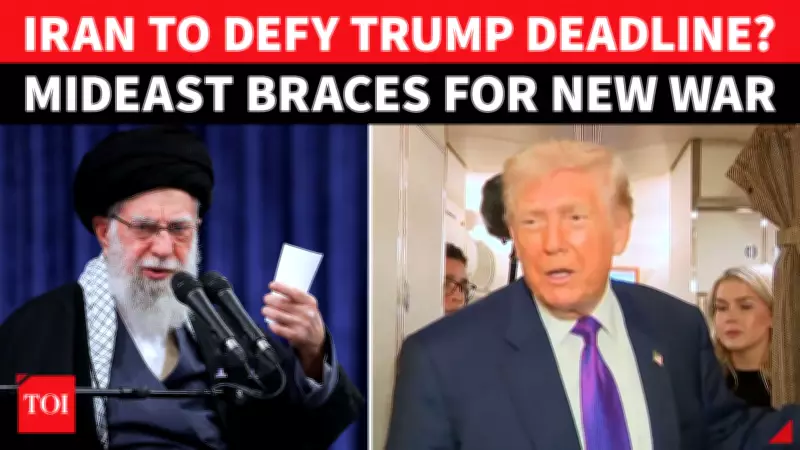
In a dramatic escalation of diplomatic pressure, former U.S. President Donald Trump has issued a firm ultimatum to Iran, demanding the Islamic Republic reach a meaningful nuclear agreement within 10 to 15 days or confront what he described as "really bad things." The warning, delivered during remarks in Washington and later reiterated aboard Air Force One, underscores the volatile state of U.S.-Iran relations as both nations posture aggressively.
Trump's Warning and Iran's Defiant Stance
Trump asserted that negotiations were progressing positively but emphasized the urgency for Tehran to act swiftly. He referenced previous U.S. military actions, claiming they had "decimated" Iran's nuclear capabilities, while leaving the door open for further measures if his deadline is not met. This hardline approach reflects Trump's longstanding skepticism of the original nuclear deal and his preference for maximum pressure tactics.
In response, Iran has not backed down. Tehran officials have publicly threatened to retaliate against U.S. military bases in the region if any attack occurs, raising alarms about a potential spiral into broader conflict. This defiant stance from Supreme Leader Ali Khamenei and other Iranian leaders signals a refusal to capitulate under Trump's threats, setting the stage for a high-stakes diplomatic showdown.

Geopolitical Implications and Regional Security
The exchange of warnings has intensified fears of escalation in the already tense Middle East. Analysts note that Trump's deadline-driven strategy could backfire, pushing Iran toward more aggressive posturing or even accelerating its nuclear program in defiance. The situation is further complicated by ongoing regional conflicts and the involvement of proxy forces, which could quickly turn a bilateral dispute into a wider conflagration.
Global security experts warn that the lack of a clear diplomatic pathway increases the risk of miscalculation. The international community, including European allies and neighboring countries, is closely monitoring developments, concerned about the potential for military strikes or economic sanctions that could destabilize the region further.
Historical Context and Future Outlook
This latest confrontation builds on years of fraught relations between the U.S. and Iran, marked by the collapse of the Joint Comprehensive Plan of Action (JCPOA) under Trump's administration and subsequent tit-for-tat actions. Trump's return to the political spotlight has reignited these tensions, with his uncompromising rhetoric contrasting sharply with more recent diplomatic efforts under other U.S. leaders.
Looking ahead, the next two weeks will be critical. If Iran fails to meet Trump's deadline, the U.S. may consider options ranging from increased sanctions to targeted military operations. Conversely, any Iranian retaliation could trigger a rapid escalation, drawing in other actors and testing the limits of international diplomacy. Observers stress the need for cautious dialogue to avert a crisis with far-reaching consequences for global peace and security.