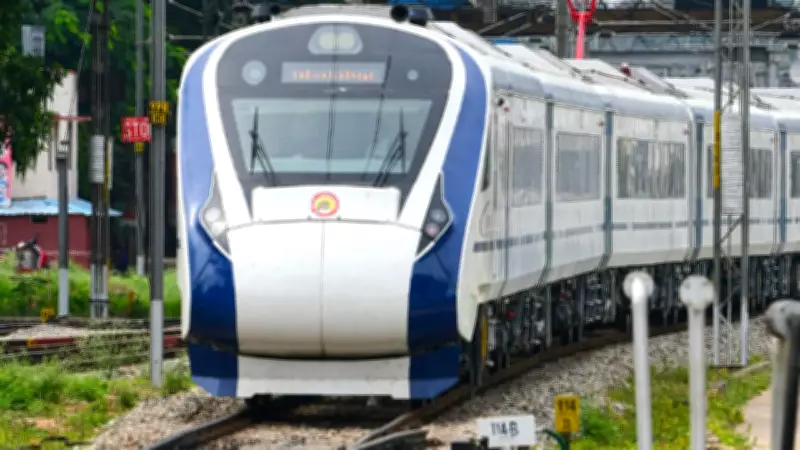
Proposal for Vande Bharat Train Linking Bengaluru and Goa Under Review
In a significant development for rail connectivity in southern India, the South Western Railway (SWR), Southern Railway, and Konkan Railway Corporation Limited (KRCL) have jointly submitted a proposal to the railway board earlier this month. The plan advocates for the introduction of a Vande Bharat train service between Yeshwantpur in Bengaluru and Madgaon in Goa, potentially revolutionizing travel between these two popular destinations.
Proposed Schedule and Operational Details
According to documents accessed by sources, the proposed Vande Bharat train is slated to operate six days a week, with a departure time of 6.05 am from Yeshwantpur. The journey is expected to span over 12 hours, culminating in an arrival at Madgaon by 7.5 pm. This represents a notable improvement over existing services, such as the Yeshwantpur-Vasco da Gama Express, which currently takes nearly 15 hours to cover the approximately 700-kilometer distance.
The route will include four strategic stoppages: Hassan, Sakleshpur, Subrahmanya Road, and Padil. These intermediate stops are designed to enhance accessibility and convenience for passengers along the corridor. However, the railway board has suggested a revision to the departure time, recommending that the train commence its journey after 6.30 am, indicating that the tentative timetable may undergo further adjustments before final approval.

Logistical Challenges and Infrastructure Considerations
Despite KSR Bengaluru being the most preferred station in the city, SWR officials have highlighted a critical obstacle: the lack of adequate maintenance slots at this facility. This limitation has necessitated the selection of Yeshwantpur as the starting point for the proposed service. Additionally, due to the extensive distance between the terminal stations, the operation will require two Vande Bharat rakes to run simultaneously, underscoring the logistical complexities involved in launching this high-speed train.
Speed constraints pose another significant challenge. The railway board anticipates that the train will maintain an average speed of less than 50 kmph, with sections through the ghats potentially reducing speeds to as low as 30 kmph. This is a stark contrast to the Vande Bharat's capability of cruising above 160 kmph, meaning that while the service aims to cut travel time, the journey between Bengaluru and Goa will still be relatively slow compared to the train's full potential.
Implications for Regional Connectivity and Travel
The introduction of a Vande Bharat train on this route could significantly boost tourism and business travel between Karnataka and Goa, two states with thriving economies and cultural appeal. By offering a faster and more efficient alternative to existing rail options, the service aims to cater to the growing demand for improved inter-city connectivity in southern India.
As the railway board reviews the proposal, stakeholders are optimistic about the potential benefits, including reduced congestion on roads and enhanced passenger comfort. The final decision will hinge on factors such as infrastructure readiness, operational feasibility, and alignment with broader rail network goals. If approved, this Vande Bharat service could set a precedent for similar high-speed initiatives across other regional corridors, marking a step forward in India's rail modernization efforts.