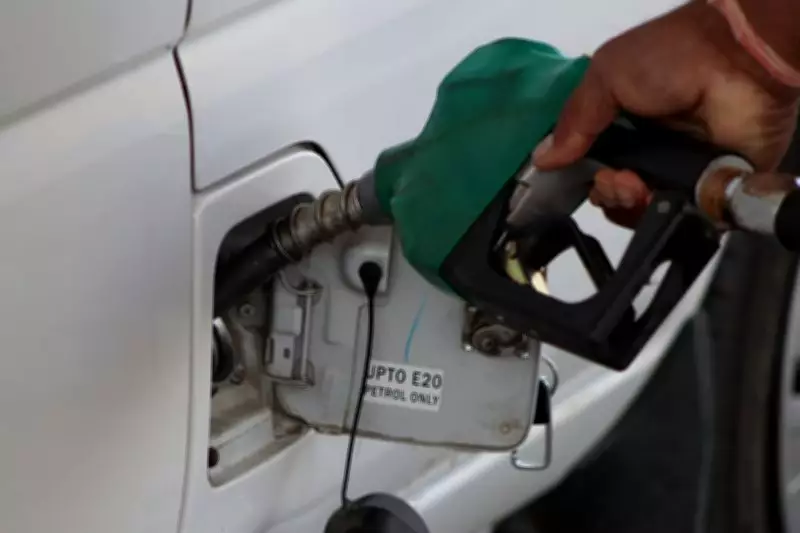
Government Revises Windfall Tax on Petroleum Exports
The Indian government on Tuesday announced changes to the windfall gains tax on petroleum product exports, effective from July 1. The special additional excise duty (SAED) on petrol exports has been increased to Rs 4 per litre from the previous Rs 1.5 per litre. In contrast, the levy on diesel exports has been reduced to Rs 8.5 per litre from Rs 14 per litre, and the duty on aviation turbine fuel (ATF) exports has been cut to Rs 7.5 per litre from Rs 12.5 per litre.
Background of the Windfall Tax
The windfall tax was first imposed on March 27 amid rising tensions in West Asia, targeting exports of diesel and ATF. The rates have been revised every fortnight. From May 16, an export duty was also levied on petrol. The tax aims to increase domestic fuel availability and prevent exporters from taking undue advantage of high global crude prices triggered by the conflict.
Exemptions Extended to Mauritius and Maldives
The Finance Ministry stated that the existing exemption for exports of petrol, diesel, and ATF by public sector oil companies to Nepal, Bhutan, Bangladesh, and Sri Lanka has now been extended to Mauritius and the Maldives. No changes have been made to the duty rates on petrol and diesel cleared for domestic consumption.

Impact and Rationale
The government's fortnightly review of the windfall tax reflects its effort to balance domestic supply concerns with export competitiveness. The reduction in duties on diesel and ATF may support exports, while the hike on petrol aims to discourage overseas sales. The policy is designed to ensure adequate domestic availability of petroleum products amid the ongoing West Asia crisis.