

State Government Initiates Contingency Plans
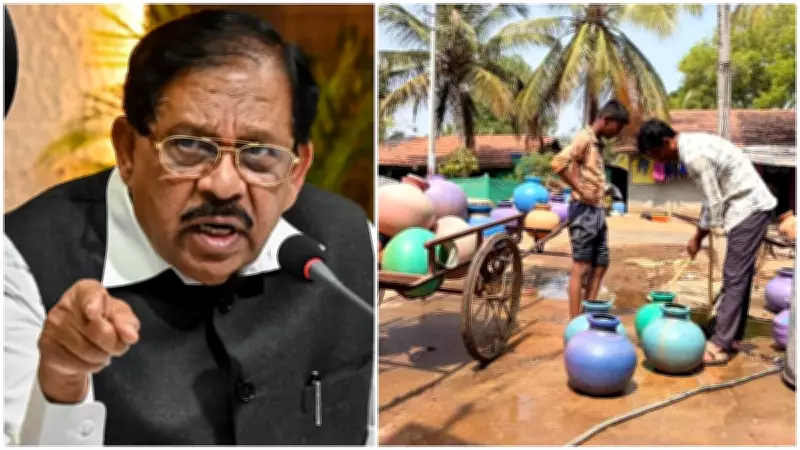
The Karnataka government has begun preparations for a potential drought as the looming super El Nino threatens to disrupt monsoon patterns. According to the state's Revenue Department, as many as 122 taluks across the state are already facing drinking water shortages, raising concerns about agricultural output and rural livelihoods.
Impact of Super El Nino
The super El Nino, a climate phenomenon characterized by warming of sea surface temperatures in the Pacific Ocean, is expected to weaken the southwest monsoon, which is crucial for Karnataka's agriculture. The state typically receives about 80% of its annual rainfall during the monsoon season from June to September. A deficient monsoon could lead to severe drought conditions, particularly in the northern and central districts.
According to the Indian Meteorological Department (IMD), there is a 70% probability of El Nino developing during the monsoon season. This has prompted the Karnataka State Disaster Management Authority (KSDMA) to issue advisories to all district administrations to prepare for water scarcity.

Drinking Water Crisis in 122 Taluks
Revenue Minister R. Ashoka stated, "We are closely monitoring the situation. Presently, 122 taluks are facing drinking water shortage, and we are taking measures to ensure water supply through tankers and other means." The affected taluks include regions in districts such as Vijayapura, Bagalkote, Gadag, and Haveri, where groundwater levels have already depleted significantly.
The government has deployed over 2,000 water tankers to supply drinking water to rural areas. Additionally, 1,500 borewells have been identified for deepening and rejuvenation to augment water supply.
Contingency Measures and Financial Allocation
The state cabinet has approved a contingency plan worth ₹500 crore to tackle the drought situation. This includes funds for providing drinking water, fodder for cattle, and employment generation under the Mahatma Gandhi National Rural Employment Guarantee Act (MGNREGA).
Chief Minister Siddaramaiah said, "We are prepared to face any eventuality. The government has set up a control room to monitor the situation daily. We will ensure that no village faces a severe water crisis."
Agricultural Impact
Karnataka is a major producer of crops like sugarcane, maize, and pulses. The looming drought threatens to reduce yields, impacting farmers' income and the state's economy. The agriculture department has advised farmers to opt for less water-intensive crops and adopt drip irrigation techniques.
According to the Karnataka State Natural Disaster Monitoring Centre (KSNDMC), soil moisture levels in many districts are below normal, indicating stress on rain-fed crops. The center has recommended that farmers delay sowing until the monsoon situation becomes clearer.
Previous Drought Experience
Karnataka has faced severe droughts in the past, notably in 2016-17 and 2018-19, when hundreds of taluks were declared drought-hit. The state government has drawn lessons from those experiences and is implementing early warning systems and community-based water management practices.
"We have learned from previous droughts that proactive measures can mitigate the impact. We are involving local communities in water conservation efforts," said KSDMA Commissioner Manoj Rajan.
Conclusion
As the super El Nino looms, Karnataka is taking no chances. With 122 taluks already facing water shortages, the state government's comprehensive preparation aims to minimize the impact on its residents and agriculture. However, the success of these measures will depend on the actual behavior of the monsoon and the effectiveness of implementation on the ground.






