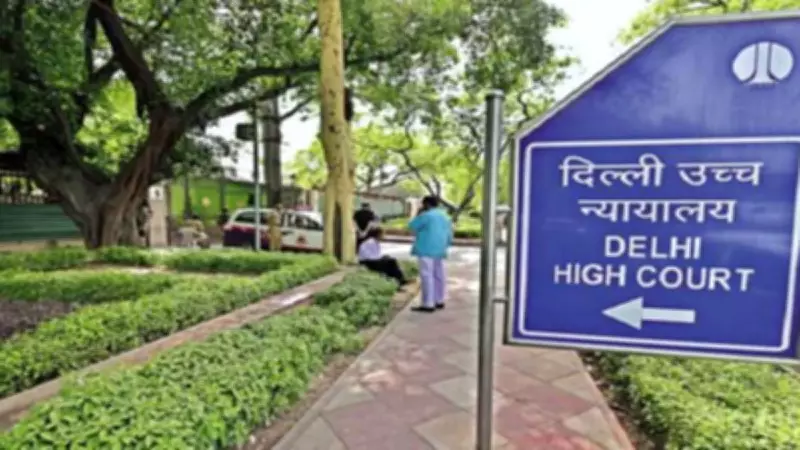
The Delhi High Court on Thursday raised a significant question regarding the rights of 150 million Telegram users in the context of the NEET UG retest. The court was hearing a plea seeking the removal of chat groups and channels on the messaging platform that allegedly facilitated cheating during the medical entrance exam.
Court's Concern Over User Rights
Justice Subramonium Prasad, presiding over the case, questioned how the rights of such a vast number of users could be curtailed based on the actions of a few. The court emphasized that any order to remove content must be proportionate and not infringe upon the legitimate rights of the majority of users who use the platform for lawful purposes.
Plea Alleges Cheating via Telegram
The petitioner, a NEET aspirant, claimed that several Telegram groups and channels were sharing answer keys and conducting live discussions during the exam, thereby compromising the integrity of the test. The petitioner sought directions to the Ministry of Electronics and Information Technology (MeitY) and Telegram to block such content.

However, the court noted that the platform is used by millions for legitimate communication and education. The judge remarked, "Can the rights of 150 million users be curtailed because of a few miscreants? The balance has to be struck."
Telegram's Response
Telegram's counsel argued that the platform has a robust mechanism to address illegal content and that it complies with Indian laws. The company stated that it has already removed several groups and channels in response to complaints. However, the court expressed dissatisfaction with the pace of action and sought a detailed report on the steps taken.
Next Hearing
The court has scheduled the next hearing for July 10, 2026, and directed Telegram to file an affidavit outlining the measures implemented to prevent such misuse. The case highlights the ongoing tension between user privacy and the need to maintain exam integrity in the digital age.
The NEET UG retest, conducted by the National Testing Agency (NTA), has been marred by controversies, with allegations of paper leaks and cheating surfacing across multiple states. The Delhi High Court's intervention underscores the judiciary's role in balancing technological freedoms with regulatory requirements.