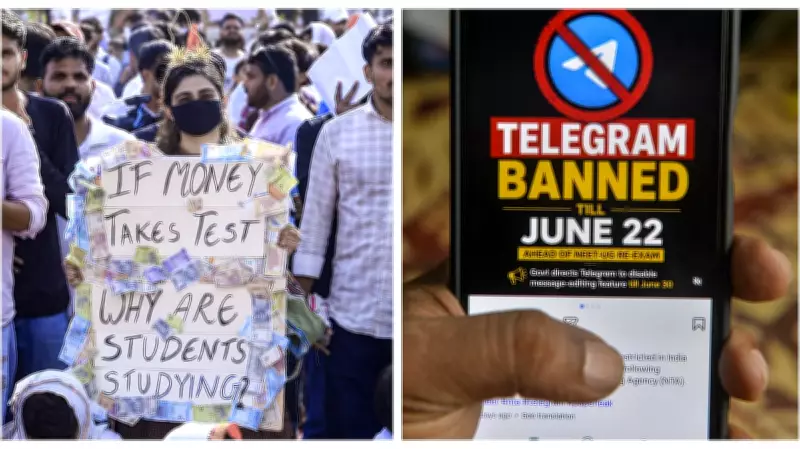
The Delhi High Court on Thursday reserved its order on a plea challenging the government's decision to ban the messaging app Telegram. The Centre, in its submission, described the platform as 'like Frankenstein', arguing that it has become uncontrollable and poses a threat to national security and public order.
Centre's Argument in Court
Appearing for the Union government, Additional Solicitor General argued that Telegram is akin to Mary Shelley's fictional monster, created but now beyond control. He stated that the app is being used for criminal activities, including drug trafficking, terrorism financing, and dissemination of child pornography. The government emphasized that the ban is necessary to protect citizens and maintain law and order.
Delhi HC's Direction
Justice Subramonium Prasad, presiding over the case, asked both parties to submit written submissions by 7 pm on the same day. The court will now consider the arguments and submissions before delivering its verdict. The petitioner, a Telegram user, had challenged the ban on grounds of violating freedom of speech and expression under Article 19(1)(a) of the Constitution.

Petitioner's Stand
The petitioner's counsel argued that the ban is disproportionate and arbitrary, affecting millions of legitimate users. He contended that the government should have taken targeted action against misuse rather than imposing a blanket ban. The court noted that the matter involves a balance between national security and fundamental rights.
Background of the Case
The Indian government had ordered internet service providers to block Telegram in June 2026, citing concerns over its use by anti-national elements. The ban was challenged in the Delhi High Court, which issued a notice to the Centre and sought its response. The case has garnered significant attention due to the widespread use of Telegram in India.
The court is expected to pronounce its order in the coming days after reviewing the written submissions.