




Delhi Police File Case After Arunachal Women Allege Racial Abuse in Malviya Nagar
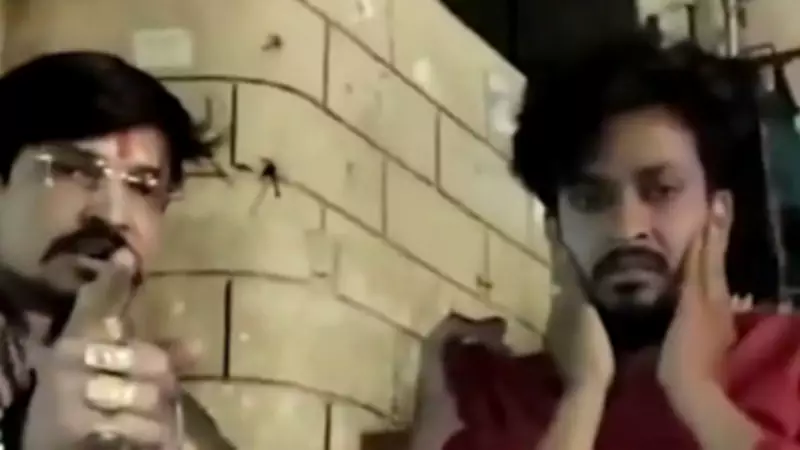
Police in Delhi have officially registered a case following serious allegations from three women hailing from Arunachal Pradesh. The women claim they were subjected to racial abuse and criminal intimidation by a couple residing in the upscale Malviya Nagar area of south Delhi. This disturbing incident gained widespread attention after a video documenting the altercation surfaced on various social media platforms on Sunday, sparking outrage and calls for justice.
Incident Details and Timeline
According to official police statements, the confrontation occurred at approximately 3:30 PM on Friday. The women, who are roommates in a rented accommodation, had called an electrician to their fourth-floor flat to install an air conditioning unit. During the drilling process, dust and debris inadvertently fell onto the premises of the couple living directly below them on the first floor. This minor issue quickly escalated into a heated argument.
In a video shared by the news agency ANI, one of the victims provided a detailed account. "My air conditioner was getting fixed when dust fell on the first floor, they used abusive words towards our electrician. We defended him. He then started using abusive words regarding the Northeast. Later, he called the police, and we argued. I want him to get punishment," she stated firmly. One of the women, identified as a UPSC aspirant from Arunachal Pradesh, emphasized that what began as a trivial disagreement over debris rapidly transformed into a targeted racial attack against her and her two roommates.
Allegations of Racial Slurs and Threats
The women have accused their neighbors, identified as Harsh Singh and his wife Ruby Jain, of making highly derogatory remarks about them and the broader northeastern community. Speaking to PTI, one of the women recounted the offensive comments. "Instead of talking about the main issue, they started targeting Northeast. They kept saying that northeastern people are illiterate. We do 'dhandhebazi' (sex work) for Rs 500. They even threatened to beat me up," she revealed.
In the viral video, the accused woman is heard making further inflammatory statements. "Are you sitting here to do business? Have you opened a massage parlour at home?" she questioned aggressively. Additionally, she claimed that the man involved is the son of a "big politician," though this assertion remains unverified by authorities.
Police Action and Legal Proceedings
Police officials have confirmed that a formal case has been registered against the couple at the Malviya Nagar police station. While specific sections invoked under the Indian Penal Code were not immediately disclosed, the case is believed to include charges related to racial abuse, criminal intimidation, and possibly outraging modesty. Authorities have stated that the matter is currently under active investigation, with further details expected as the probe progresses.
Defense from the Accused Couple's Lawyer
Advocate Gaurav, representing the accused couple, offered a contrasting perspective. He argued that the incident is being disproportionately amplified on social media. "They have been living together for a long time. Even after the incident, they sat together to reach a compromise. The matter is being unnecessarily exaggerated on social media. In the video, both sides are speaking. The video being circulated is selective and manipulative," he contended.
Gaurav further explained, "In the heat of the moment he uttered something and my client regrets the words he used. It was my client who had called the PCR, and the police were present at the spot." This statement suggests an attempt to frame the incident as a momentary lapse in judgment rather than premeditated harassment.
Broader Implications and Community Concerns
This case highlights ongoing issues of racial discrimination and prejudice faced by individuals from India's northeastern states in metropolitan areas like Delhi. Incidents of abuse and stereotyping continue to surface, raising serious questions about societal attitudes and the effectiveness of legal protections. The swift registration of a police case indicates a responsive approach by authorities, but the outcome of the investigation will be closely watched by advocacy groups and the public alike.
The women involved have expressed a strong desire for justice and appropriate punishment for the accused, hoping that this case will set a precedent and deter future acts of racial intolerance. As the investigation unfolds, it underscores the need for greater awareness, sensitivity, and strict enforcement of laws against hate speech and discrimination in urban India.