US Affirms Support for Pakistan's Right to Self-Defense Against Afghan Taliban
The United States has issued a clear statement backing Pakistan's sovereign right to defend itself against militant attacks originating from the Afghan Taliban. This declaration comes amid ongoing regional security concerns and highlights the complex diplomatic landscape in South Asia.
Official Statement from State Department
A spokesperson for the U.S. State Department confirmed the position in an emailed statement, emphasizing that "the United States supports Pakistan's right to defend itself against attacks from the Taliban, a Specially Designated Global Terrorist group." This formal acknowledgment underscores Washington's recognition of the security threats Pakistan faces from across its border with Afghanistan.
Context and Implications
The statement, dated February 28, 2026, arrives at a critical juncture in regional politics. The Afghan Taliban, which regained control of Afghanistan in 2021, continues to be designated by the U.S. as a terrorist organization. This designation carries significant implications for international relations and counter-terrorism efforts.

Key points from the announcement include:
- Recognition of Pakistan's sovereignty in matters of national defense.
- Condemnation of the Afghan Taliban as a global security threat.
- Alignment with broader U.S. foreign policy objectives in the region.
Regional Security Dynamics
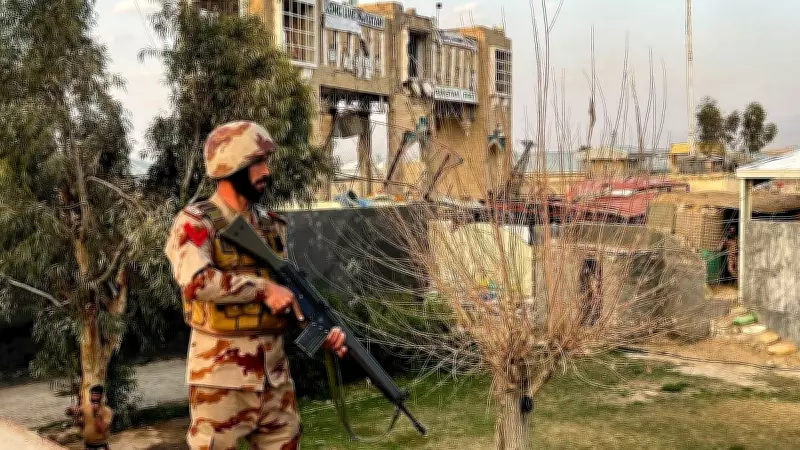
Pakistan has long grappled with cross-border militancy, with groups like the Afghan Taliban allegedly launching attacks from Afghan territory. The U.S. statement potentially signals a shift or reinforcement of its strategic posture, balancing support for Pakistan's security needs with its ongoing diplomatic engagements in Afghanistan.
Experts suggest this move could influence:
- Bilateral relations between the U.S. and Pakistan.
- Regional stability and counter-terrorism cooperation.
- International responses to the Taliban-led government in Kabul.
As tensions persist, the U.S. stance highlights the intricate balance between defending allies and navigating the volatile politics of South Asia. The world watches closely as these developments unfold, with potential ramifications for global security and diplomatic alliances.