Congress and Rahul Gandhi Face Waning Support in India Bloc
The Congress party and its prominent leader Rahul Gandhi are encountering a notable erosion of backing from their allies within the India bloc, a coalition of opposition parties. This development signals growing internal discord and challenges to their leadership as the nation approaches critical electoral contests.
Internal Dissent and Leadership Concerns
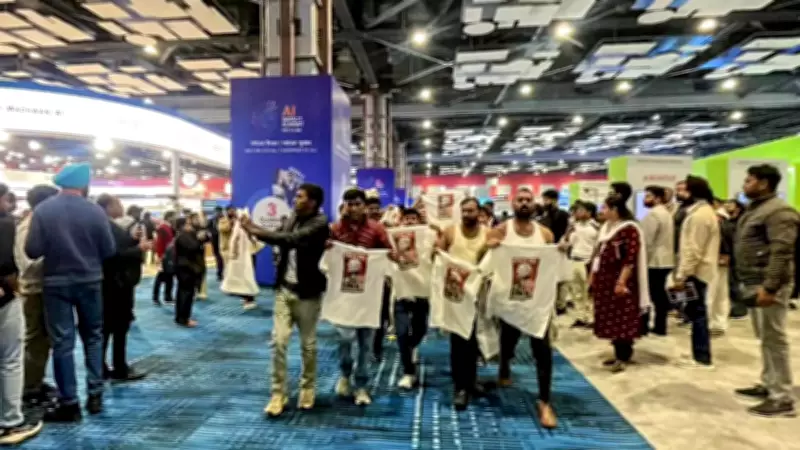
Sources within the India bloc indicate that several key allies have expressed dissatisfaction with the Congress's strategic direction and Rahul Gandhi's public image. The term "Shirtless Congress" has been used metaphorically by critics to highlight perceived vulnerabilities and a lack of robust political armor, while "Lashkar-e-Rahul" references a factional perception of over-reliance on Gandhi's leadership, which some view as ineffective or divisive.
This diminishing support is not merely anecdotal; it reflects broader anxieties among coalition partners about electoral viability and coordination. With state and national elections on the horizon, the India bloc's unity is under strain, potentially impacting their ability to mount a cohesive challenge against ruling parties.

Implications for Electoral Strategy
The loss of support could have far-reaching consequences for the opposition's campaign efforts. Analysts suggest that without strong backing from within the bloc, the Congress may struggle to secure favorable seat-sharing agreements or mobilize unified voter bases. This scenario might lead to fragmented opposition votes, benefiting incumbent forces.
Furthermore, Rahul Gandhi's leadership is under scrutiny, with allies questioning his ability to galvanize support across diverse regional and ideological lines. The criticism extends to organizational issues within the Congress, including resource allocation and grassroots mobilization, which are seen as lagging behind competitors.
Broader Political Landscape
This development occurs against a backdrop of intense political competition in India, where opposition alliances are crucial for countering dominant parties. The India bloc, formed to consolidate anti-incumbent votes, now faces internal challenges that could undermine its core objective. Observers note that if the Congress fails to address these concerns promptly, it might lead to realignments or defections among allies, further weakening the opposition front.
In response, Congress officials have acknowledged the need for dialogue and recalibration of strategies. They emphasize efforts to rebuild trust and enhance collaboration within the bloc, though the path forward remains uncertain amid ongoing political maneuvering.