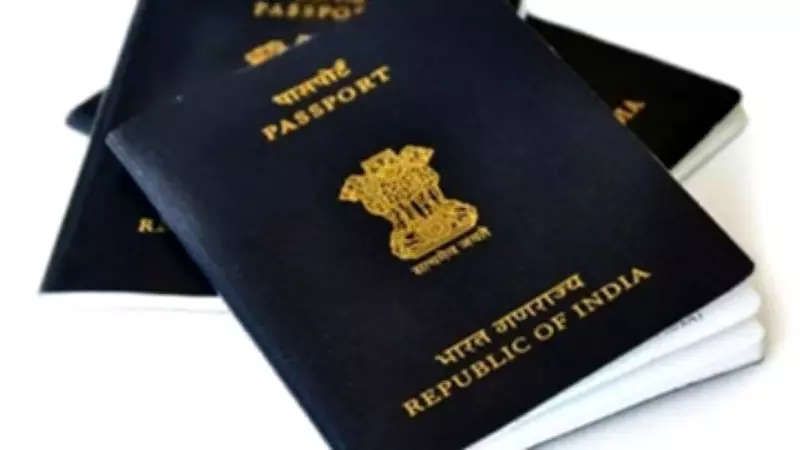
CAA Implementation Brings Citizenship to Forefront
The recent notification of rules for the Citizenship Amendment Act (CAA) has turned the national spotlight onto citizenship laws in India. The act, passed in 2019, fast-tracks citizenship for non-Muslim migrants from three neighboring countries, sparking debate over its constitutional validity and impact on secularism.
Background of the Citizenship Amendment Act
The CAA amends the Citizenship Act of 1955 to grant citizenship to persecuted religious minorities from Pakistan, Afghanistan, and Bangladesh who entered India before December 31, 2014. These include Hindus, Sikhs, Buddhists, Jains, Parsis, and Christians. The act explicitly excludes Muslims, leading to accusations of religious discrimination.
Opponents argue that the CAA, combined with a proposed National Register of Citizens (NRC), could target India's Muslim population. The government maintains that the CAA is a humanitarian measure to protect persecuted minorities.

Constitutional and Legal Challenges
The CAA faces multiple petitions in the Supreme Court challenging its constitutionality. Critics claim it violates Article 14 (right to equality) and Article 25 (freedom of religion) of the Indian Constitution. The government defends the law, stating it does not affect the citizenship of any Indian citizen, regardless of religion.
According to the Ministry of Home Affairs, the CAA rules provide a clear, transparent process for eligible migrants to apply for citizenship. The online application portal is expected to streamline the process.
Impact on India's Secular Fabric
The implementation of CAA has reignited debates about India's secular identity. The act's religious criterion for citizenship has been criticized as a departure from the principle of secularism enshrined in the Constitution. The All India Muslim Personal Law Board has called the CAA divisive and unconstitutional.
In Assam, where the CAA was met with widespread protests, the law is seen as a threat to the state's unique demographic and cultural identity. The Assam Accord of 1985 set a cutoff date for citizenship, which the CAA overrides for non-Muslims.
Global Reactions and Diplomatic Implications
International organizations and foreign governments have expressed concern over the CAA. The United Nations Human Rights Office stated that the act is fundamentally discriminatory. The US Commission on International Religious Freedom recommended sanctions against India over the law. India has defended its sovereignty, asserting that the CAA is an internal matter.
Way Forward
As the CAA rules are implemented, the focus remains on how the government balances its humanitarian objectives with constitutional obligations. The Supreme Court's verdict on the pending petitions will be crucial. Meanwhile, civil society groups continue to mobilize against the law, citing threats to secularism and minority rights.
The spotlight on citizenship is unlikely to dim soon, as the CAA represents a significant shift in India's citizenship framework, with far-reaching implications for its social fabric and global standing.