

Sikh Leaders Summoned Over Anti-Sacrilege Law Stance
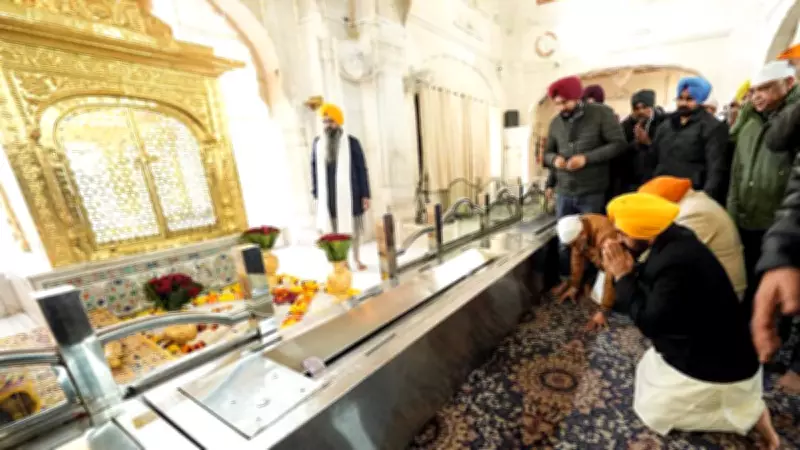
Several Sikh ministers and legislators from Punjab appeared before the Akal Takht, the highest temporal authority in Sikhism, on Tuesday to explain their position regarding the state's anti-sacrilege law. The development underscores the Akal Takht's continued sway over Sikh political figures, as the institution seeks accountability on matters of religious significance.
Background of the Controversy
The controversy stems from the Punjab government's proposed anti-sacrilege legislation, which aims to prevent desecration of religious texts, particularly the Guru Granth Sahib. However, Sikh religious leaders and the Shiromani Gurdwara Parbandhak Committee (SGPC) have criticized the law, arguing it is insufficient and fails to address core concerns of the community. The Akal Takht issued summons to several politicians, including ministers and MLAs, demanding they clarify their support for the bill.
According to sources, the summoned individuals included prominent figures from both the ruling Aam Aadmi Party (AAP) and opposition parties. The Akal Takht's action is seen as a rare but powerful intervention in political affairs, leveraging its moral authority to influence legislative outcomes.

Akal Takht's Historical Influence
The Akal Takht, located in Amritsar's Golden Temple complex, has historically played a pivotal role in Sikh politics. Established by Guru Hargobind in 1606, it serves as a platform for issuing edicts (hukamnama) on religious and community matters. Over centuries, it has mediated disputes, excommunicated individuals, and guided the community on ethical issues.
Political scientist Dr. Harpreet Kaur noted, "The Akal Takht's authority transcends religious boundaries, often shaping political decisions in Punjab. Its summons carry significant weight, and ignoring them can lead to social ostracism." This influence was evident in 2015 when the Akal Takht summoned then-Chief Minister Parkash Singh Badal over the desecration incidents.
Implications for Punjab Politics
The appearance of ministers and MLAs before the Akal Takht is likely to impact the political landscape ahead of the 2027 assembly elections. Analysts suggest the move could consolidate Sikh voters behind parties that align with religious directives. The ruling AAP, which came to power in 2022, faces pressure to balance its secular governance with religious sentiments.
The anti-sacrilege law, introduced after a series of desecration cases in 2015-2016, has been a contentious issue. While the state government claims the law protects religious texts, Sikh clergy argue it lacks stringent provisions. The Akal Takht's intervention may force a revision of the legislation.
Reactions from Political Leaders
Following the appearance, some leaders expressed respect for the Akal Takht's decision. Punjab Revenue Minister Bram Shanker Jimpa stated, "We respect the Akal Takht and are ready to explain our actions. The law will be amended if needed." Others, like opposition MLA Navjot Singh Sidhu, welcomed the summons, saying, "The Akal Takht is the supreme guide for Sikhs. Its word is final."
However, the SGPC's president, Harjinder Singh Dhami, emphasized that the Akal Takht's role is not to dictate but to advise. He said, "The institution provides guidance; it is up to individuals to follow. But those who defy its directives face consequences."
Looking Ahead
The Akal Takht's intervention is expected to lead to a re-evaluation of the anti-sacrilege law. The Punjab government has indicated willingness to consult with religious bodies. Meanwhile, the political fallout may see shifts in alliances as parties align with the Akal Takht's stance.
In conclusion, the summons of Sikh ministers and MLAs before the Akal Takht highlights the enduring power of religious institutions in shaping political discourse in Punjab. As the state navigates this complex interplay, the Akal Takht's influence remains a defining factor in Sikh politics.






