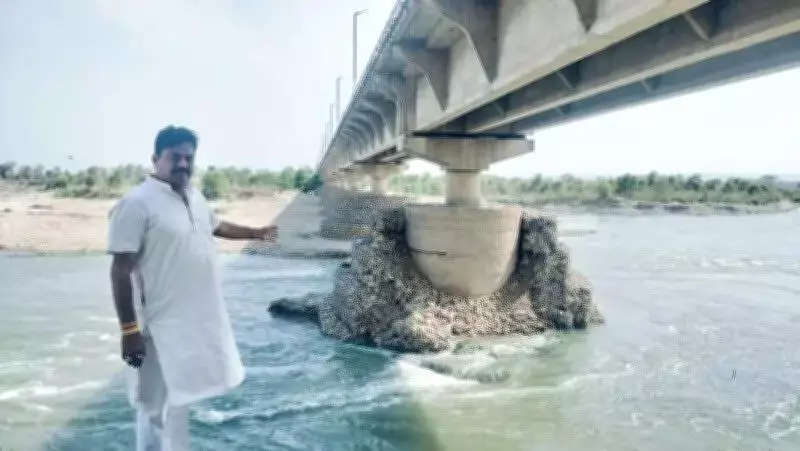
The Punjab and Haryana high court has modified its June 8 stay order to permit urgent desilting operations near the Aggampur bridge on the Satluj river in Ropar district. This decision aims to avert potential monsoon flooding in the region. A division bench of justices Jasgurpreet Singh Puri and Deepak Gupta cleared the work on Wednesday, while making the Ropar deputy commissioner accountable for ensuring no illegal mining takes place under the guise of desilting.
Scope and Deadline of Desilting
The court restricted the desilting strictly to a demarcated stretch 35 to 50 meters upstream of the bridge and set a deadline of June 30. The modification came after the state government warned that heavy sand and gravel accumulation had blocked five of the bridge's seven gates, diverting the entire river flow through just two gates and severely damaging the pillar near gate number 1.
State's Plea and Court's Acknowledgment
State counsel argued that leaving the obstruction uncleared ahead of the monsoon could trigger devastating regional floods similar to those witnessed in 2023 and 2025. Acknowledging that the blocked natural flow threatened public safety and structural stability, the bench also permitted immediate repairs to the damaged bridge pillar.

Addressing Illegal Mining Concerns
Addressing allegations of illegal riverbed extraction, the state admitted that while the area directly beneath the bridge was clear, unauthorised mining traces in nearby pockets had already resulted in multiple FIRs. Consequently, the court ordered the Ropar DC to inspect the bridge and surrounding riverbeds, and submit a detailed status report via a personal affidavit before the next hearing on July 2.
Compliance with NGT Guidelines
The ongoing desilting is being carried out by private landowners under a May 5 state notification, which was implemented after the National Green Tribunal (NGT) halted the government's commercial tender process. To ensure compliance with NGT guidelines, the court ruled that the extracted riverbed material can only be retained by authorised farmers for agricultural or non-commercial purposes.
Legal Notice Demanding Transparency
Following the order, the petitioner's counsel, Satinder Kaur, served a legal notice to the DC on Thursday demanding strict compliance and complete transparency. The notice requires the administration to maintain explicit documentation, including demarcation reports, approved disposal plans under the National Framework for Sand Mining guidelines, and signed affidavits from participating farmers promising not to sell the material commercially.