Covered Garbage Vans Urgently Needed
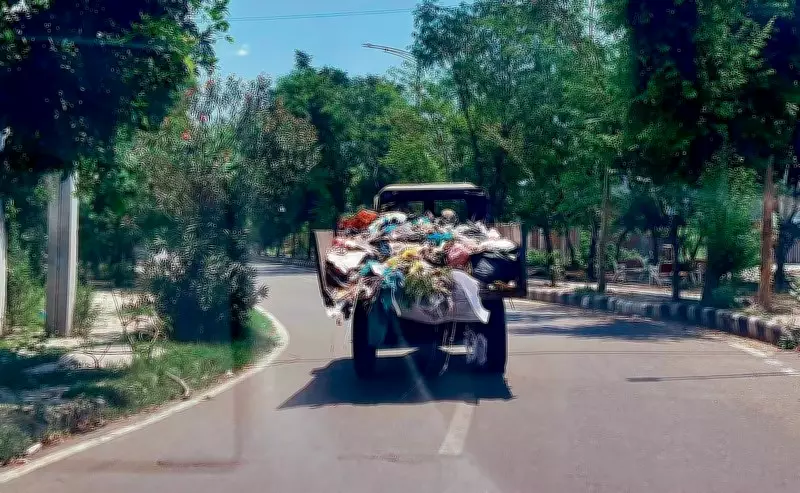
Open garbage collection vehicles are a glaring example of an essential public service being carried out poorly. These overloaded, foul-smelling vehicles travelling through streets and bazaars not only present an unpleasant sight but also pose a serious public health risk. As they move through the city, garbage often spills onto roads, spreading filth, attracting stray animals and increasing the risk of disease. Such vehicles are a blot on the philosophy of cleanliness that smart cities aspire to uphold. The time has come to replace these open vehicles with fully covered, modern garbage collection vans equipped with waste-compaction systems. These vehicles prevent litter from spilling onto roads, contain foul odours and ensure the hygienic transportation of waste to disposal or processing sites. It should be mandatory for every Municipal Corporation and City Council to use only covered vehicles for garbage collection.
Household Waste Segregation is Key
However, the responsibility does not rest with civic authorities alone. The roots of the problem also lie in public habits. Effective waste management must begin at the household level through a scientific approach to waste segregation. Every family should separate waste into categories such as biodegradable waste (food and garden waste), paper and cardboard, plastics, glass and metals. Separate bins should be provided, and their use made compulsory. Households that fail to comply should face immediate penalties. A well-managed municipal waste collection system requires a clear framework comprising regular collection schedules, standardised waste segregation and convenient collection methods. Weekly collection schedules should be announced and followed strictly so residents know exactly when to place their covered bins outside their homes. Overfilled bins or those containing mixed or contaminated waste should not be accepted until properly sorted.
Sanitation Workers' Safety Neglected
Another disturbing aspect of the system is the neglect of sanitation workers’ safety. Garbage collectors are often seen handling filthy waste with bare hands, without gloves, masks or other protective equipment. This is both unsafe and inhumane. These frontline workers deserve proper protective gear, regular health check-ups and training in safe waste-handling practices. Clean cities cannot be achieved through slogans alone. They require modern infrastructure, efficient civic administration, responsible citizens, and dignity and protection for sanitation workers. Only a collective effort can transform waste management from a persistent civic problem into a model of public health, environmental responsibility and urban cleanliness.

Crack Down on Open Trolleys
Uncovered tractor-trolleys carrying garbage can be seen every morning in Amritsar. They pose a serious hazard that demands immediate attention as they continue to litter roads, create unhygienic conditions and cause considerable inconvenience to the public. Every day, tractor-trolleys loaded with uncovered garbage leave a trail of filth behind them. The scattered waste not only spoils the beauty of the city and its environment but also poses a serious public health risk. It must also be acknowledged that many citizens lack civic sense and continue to litter roads indiscriminately, further worsening the situation. Similarly, tractor-trolleys transporting sand, bajri, bricks and other construction materials in open trolleys often spill their loads onto roads. This creates hazardous driving conditions, resulting in road accidents, loss of precious lives and damage to vehicles. The Municipal Corporation and the traffic department must take strict action to ensure that no uncovered tractor-trolley carrying garbage or construction materials is allowed on public roads.

Waste Management Begins at Home
Solid Waste Management is a shared responsibility, especially for Smart Amritsar, the sacred city of the Sikh Gurus, blessed with the timeless words, “Dithe Sabhe Thav Nahi Tudh Jeha” (“Nowhere else have I seen a place equal to you”). As a Smart City, Amritsar carries an even greater responsibility towards effective solid waste management. The cleanliness, public health, beauty and environmental sustainability of any city depend largely on how efficiently its waste is managed. In reality, there is no such thing as “waste” in nature. It is human negligence that turns valuable resources into garbage. If every household segregates wet and dry waste at source, wet waste can be converted into organic compost and bio-enzymes, while dry waste can be recycled and brought back into productive use. This simple practice can make the vision of Zero Waste Management a practical reality. Unfortunately, the agencies and governments responsible for creating public awareness about waste management and environmental protection have not achieved the desired level of success. Too often, greater importance is given to politically attractive schemes and vote-oriented initiatives than to long-term environmental sustainability. Although substantial funds are allocated under the Smart City Mission, its objectives remain only partially fulfilled if these resources are not utilised effectively and transparently. Even today, in many parts of the city, waste collection vehicles lack proper operational systems, resulting in garbage being scattered across roads during transportation. This not only mars the city’s appearance but also poses serious risks to public health and the environment. The time has come for the Government, Municipal Corporation, social organisations and every citizen to recognise and fulfil their collective responsibility. Source segregation, recycling, composting, public awareness and scientific waste management practices must become an integral part of everyday life. A truly clean, green and smart Amritsar can only be achieved through the sincere implementation of these practices—not merely by framing rules but by ensuring they are followed.
Phase Out Open Garbage Trolleys
Most of the wagons carrying door-to-door household waste in Amritsar are new and covered. A few weeks ago, when the Municipal Corporation engaged a new company for waste collection, newly purchased covered wagons were put into service. However, a few old tractor-trolleys are still seen transporting garbage on city roads. These ageing trolleys are not even fitted with proper rear-door closures, causing garbage to spill onto the roads during transit. Roads that are not swept regularly soon become filthy, presenting an unpleasant sight for commuters and tourists alike. The authorities of the Municipal Corporation must remember that Amritsar is both a holy city and a major tourist destination. Every visitor expects clean surroundings along with attractive and well-maintained roads. The routes leading to the Golden Temple, Durgiana Temple and Jallianwala Bagh are among the city’s principal attractions. Garbage spilled by uncovered tractor-trolleys on these and other roads creates an eyesore and leaves a poor impression on visitors. The Municipal Corporation should permanently withdraw these old tractor-trolleys from garbage collection and replace them entirely with modern covered wagons to ensure clean and hygienic transportation of waste.
Night Collection May Reduce Risks
Garbage collection trolleys are often seen travelling uncovered, posing both public health and road safety risks. It is the responsibility of the Municipal Corporation Amritsar (MCA) and the Health Department to impose penalties on the garbage collection company for violating the terms and conditions of its contract. Ironically, little action is taken beyond issuing warnings and notices. Ground staff of the Municipal Corporation have also failed to properly supervise collection vehicles to ensure they meet safety and environmental standards. Garbage collection trolleys should be fitted with iron mesh covers operated by a hydraulic system, similar to a car boot, instead of cloth or plastic sheets. The latter are labour-intensive, wear out quickly and often become loose, allowing garbage to spill onto roads during transportation. Finally, garbage collection should be carried out during night shifts wherever feasible to minimise public health risks, environmental pollution and the likelihood of road accidents during peak traffic hours.
Cities Urged to Secure Waste Loads
To prevent trash and debris from littering roadsides, cities and waste transporters must implement strict containment, routing and maintenance protocols. Proper procedures not only keep communities clean but also reduce traffic hazards and prevent environmental contamination. Trailers must be inspected to ensure they are properly equipped, while open-top trailers should be completely covered with heavy-duty tarpaulins or specialised mesh nets to prevent lightweight debris from blowing out during transit. This is a standard practice followed worldwide in the transport of waste trailers.
Tighter Rules Sought for Waste Transport
Most trash trucks are relatively small unless they are transporting wet waste. Many are makeshift vehicles that are already in a dilapidated condition. Municipal corporations must ensure that trailers are never loaded beyond their weight or volume capacity. Wet waste and leachate should be transported in sealed, watertight refuse trailers to prevent liquids from dripping onto roads. Workers should also be trained to sweep external ledges, wheels and undercarriages before trucks leave loading or transfer stations, preventing dirt and loose waste from falling onto public roads. Cities can also strictly enforce “secure your load” laws by imposing financial penalties or requiring transport companies responsible for littering to carry out corrective clean-up operations.
Covers Urged for Waste Trucks
Garbage-carrying tractor-trailers should never be allowed on city roads unless they are fully covered. The Municipal Corporation must make it mandatory for all waste transport vehicles to use tarpaulin covers or enclosed containers to prevent littering. Vehicles found spilling garbage should be fined, while contractors responsible for waste transportation must be held accountable through strict penalty clauses. Regular inspections should ensure that every vehicle has proper registration, reflectors and safety markings. In addition, waste should be transported during non-peak traffic hours to minimise inconvenience. Roads used by these vehicles should be cleaned immediately if any waste falls during transit. Cleanliness cannot be achieved by creating another source of litter on public roads. The Corporation must adopt modern, covered waste transport systems to keep the city clean and protect public health.
Regulate Tractor-Trailers on City Roads
The problem is not limited to uncovered garbage trailers. Tractor-trailers are increasingly being used for commercial activities within the city, including transporting construction material, debris and municipal waste. These slow-moving vehicles contribute to traffic congestion and have been involved in several accidents. Ironically, even some Municipal Corporation tractor-trailers lack proper registration numbers, reflectors and other mandatory safety features, violating the very traffic rules that authorities expect citizens to follow. The Traffic Police and Municipal Corporation should jointly regulate the movement of tractor-trailers in urban areas, ensure compliance with road safety norms and prohibit their use for commercial purposes wherever legally required. Covered waste carriers, stricter enforcement and regular inspection drives would improve cleanliness as well as road safety. A clean city must also be a safe city.