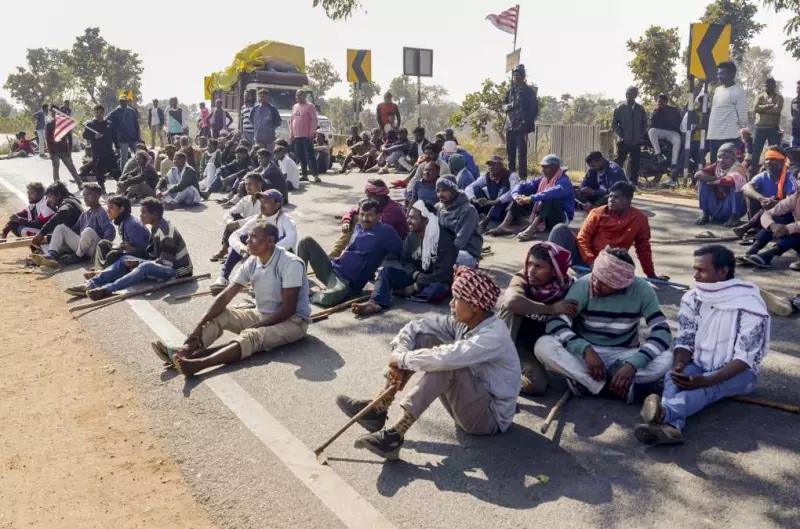
Odisha Bandh: Farmers' Protest Disrupts Normal Life Across the State
A statewide bandh, called by various farmers' unions in Odisha, has brought normal life to a standstill, with significant disruptions reported across the state. The protest, which began early in the morning, is part of a broader agitation to highlight long-standing grievances of the agricultural community. Farmers have taken to the streets, blocking roads and organizing rallies, leading to widespread impact on daily activities and essential services.
Timing and Key Demands of the Protest
The bandh is scheduled to last for the entire day, with farmers and their supporters gathering at strategic locations to enforce the shutdown. The timing has been carefully planned to maximize visibility and pressure on the state government. Key demands put forth by the protesting farmers include:
- Implementation of Minimum Support Price (MSP) for all crops to ensure fair remuneration for agricultural produce.
- Complete waiver of agricultural loans to alleviate the financial burden on farmers struggling with debt.
- Improved irrigation facilities and better access to water resources to combat drought and erratic rainfall.
- Enhanced procurement policies to reduce post-harvest losses and ensure timely payments.
- Addressal of land rights issues and protection against land acquisition without proper compensation.
These demands reflect deep-seated concerns within the farming community, which has been grappling with economic hardships and policy neglect for years.

List of Services Affected by the Bandh
The bandh has led to a partial to complete shutdown of various services across Odisha, affecting both urban and rural areas. Reports indicate that the following sectors have been significantly impacted:
- Transportation: Road transport has been severely hit, with buses, taxis, and auto-rickshaws staying off the roads. Train services have also faced disruptions due to blockades at railway tracks.
- Markets and Commercial Establishments: Shops, markets, and business centers have remained closed in many parts of the state, leading to a halt in commercial activities.
- Educational Institutions: Schools and colleges have declared holidays or suspended classes to ensure the safety of students and staff.
- Government Offices: Many government offices have reported low attendance, with employees unable to reach their workplaces due to transport issues.
- Healthcare Services: While emergency services are operational, routine medical appointments and outpatient departments have seen reduced footfall.
- Banking and Financial Services: Banks and ATMs have functioned with limited services, as staff face difficulties in commuting.
The widespread nature of the bandh underscores the solidarity among farmers and their supporters, who are determined to make their voices heard.
Political Reactions from BJP and Congress
The bandh has elicited strong reactions from major political parties in Odisha, with the Bharatiya Janata Party (BJP) and the Indian National Congress (Congress) weighing in on the situation.
BJP's Stance: The BJP has expressed support for the farmers' demands, criticizing the state government for its failure to address agricultural issues. Party leaders have accused the ruling dispensation of neglecting the farming community and called for immediate intervention to resolve the crisis. They have urged the government to engage in dialogue with the protesters and implement measures to alleviate their distress.
Congress's Response: The Congress party has also backed the bandh, highlighting the plight of farmers and demanding concrete action from the authorities. Congress leaders have emphasized the need for sustainable agricultural policies and better support systems for farmers. They have called for a bipartisan approach to tackle the challenges facing the agricultural sector and ensure the welfare of those who feed the nation.

Both parties have used the protest as an opportunity to critique the state government's policies, turning the bandh into a political flashpoint ahead of upcoming elections.
Broader Implications and Future Outlook
The Odisha bandh is not an isolated incident but part of a larger pattern of farmer protests across India, reflecting widespread discontent in the agricultural sector. It highlights the urgent need for policy reforms and better governance to address the root causes of agrarian distress. As the day progresses, authorities are monitoring the situation closely to maintain law and order, while farmers remain steadfast in their resolve.
Looking ahead, the success of the bandh in disrupting normal life may prompt the state government to reconsider its stance and initiate talks with farmer leaders. However, if demands remain unmet, such protests could escalate, leading to further unrest and economic losses. The ongoing agitation serves as a reminder of the critical role farmers play in the economy and the importance of ensuring their well-being for national stability.