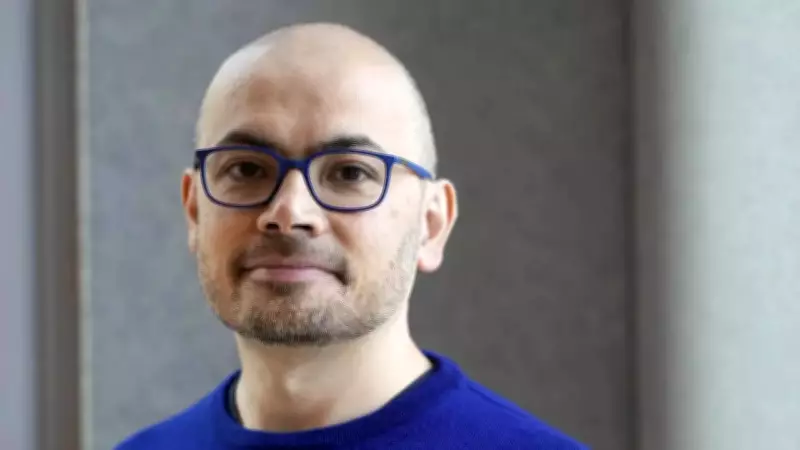
Google AI CEO Demis Hassabis Attributes Nobel Success to Foundational Book
Demis Hassabis, the Chief Executive Officer of Google's Artificial Intelligence division and a distinguished Nobel Laureate in Chemistry for his groundbreaking work in "protein structure prediction," has publicly credited a seminal book from his student days as a pivotal influence on his scientific journey. During an exclusive interview conducted in Stockholm at the prestigious 2024 Nobel Prize ceremony, Hassabis passionately recommended Richard Feynman's iconic work, "Surely You're Joking, Mr. Feynman!", to aspiring students worldwide.
Hassabis's Endorsement of Feynman's Thrilling Science Narrative
"I really recommend to any students watching this to read those books," Hassabis emphasized, underscoring the profound impact of Feynman's writings. He elaborated that the book masterfully conveys "how enjoyable, how thrilling it is to be exploring at the frontiers of Science." For Hassabis, this literary work not only mirrors the exhilarating experience of scientific discovery but also highlights a crucial source of inspiration that extends beyond direct mentorship.
"A lot of it actually comes from reading the greats and trying to understand and take inspiration from them," Hassabis articulated during the interaction. He pointed out that engaging deeply with the ideas of leading intellectual figures can be as transformative as personal guidance, fostering a mindset geared towards innovation and exploration in fields like artificial intelligence and computational biology.

Additional Influences and Contrasting Views from Tech Titans
Beyond Richard Feynman, Demis Hassabis cited other luminaries as foundational to his intellectual development. He specifically mentioned Alan Turing, Claude Shannon, and John von Neumann, describing them as the cornerstones of modern computing, information theory, and the burgeoning field of artificial intelligence. These thinkers, according to Hassabis, provided the theoretical underpinnings that have shaped contemporary AI research and applications.
In a striking contrast, Tesla CEO Elon Musk has expressed divergent opinions regarding Feynman's legacy. In 2023, Musk remarked, "It isn't clear to me why people like Feynman's physics lectures so much. I found them to be ok, but not great. Wouldn't recommend them either to those who want to learn physics or those who have." This juxtaposition underscores the varied perspectives within the tech leadership community on educational influences and scientific pedagogy.
The Broader Implications for AI and Scientific Inspiration
Hassabis's reflections carry significant weight, given his dual role as a Nobel laureate and a leading figure in artificial intelligence. His advocacy for Feynman's book suggests that literary and historical engagement with scientific pioneers can complement technical education, potentially nurturing the creativity and curiosity essential for breakthroughs in AI and other advanced domains. This insight aligns with a growing recognition in educational circles about the importance of interdisciplinary learning and inspirational narratives in STEM fields.
As artificial intelligence continues to evolve at a rapid pace, the foundational influences highlighted by Hassabis—ranging from Feynman's accessible science storytelling to the theoretical contributions of Turing and Shannon—may inform future generations of researchers. His message reinforces that inspiration is multifaceted, drawing from both personal experiences and the enduring legacies of great thinkers, thereby enriching the pursuit of knowledge and innovation in a globally interconnected scientific community.