
IRTSA Proposes Different Fitment Factors for Railway Staff
IRTSA has proposed a separate fitment factor structure for railway employees under the 8th Pay Commission, ranging from 2.92 to 4.38, to better compensate technical and safety staff.


IRTSA has proposed a separate fitment factor structure for railway employees under the 8th Pay Commission, ranging from 2.92 to 4.38, to better compensate technical and safety staff.

Air India announces 22% reduction in domestic flights due to skyrocketing ATF prices. The airline cites unsustainable operational costs as the primary reason for the cutback.

Goldman Sachs raised its S&P 500 year-end target to 8000, citing robust corporate earnings and economic resilience, up from 6500. The revised forecast reflects optimism in tech and AI sectors.

Amid global uncertainty and rising costs, Indian travellers are increasingly exploring offbeat domestic destinations, boosting local tourism and economy.

Shared lists with real-time sync. No signup needed — just open and shop together.
Recommended
Oil prices remained elevated on Wednesday as markets watched for signals on the US-Iran ceasefire. Brent crude traded near $95.39, while US crude fell. Asian shares rose, with Japan's Nikkei hitting a record high.
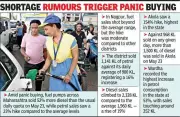
Panic buying of fuel in Maharashtra led to a 52% spike in diesel and 23% in petrol sales on May 23, with Akola seeing a 154% rise. Officials assure no shortage, warn against hoarding.
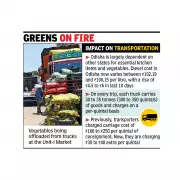
Fuel prices in Odisha have risen for the fourth time in 10 days, with diesel crossing Rs 100 per litre. Traders warn of potential price hikes in vegetables and groceries as transportation costs increase.

Andhra Pradesh government plans major liquor policy reforms, including price revisions, retail restructuring, and technology integration to boost revenue and modernize excise administration.
India's crude oil processing dropped 8.9% in April from March due to Middle East supply disruptions and refinery maintenance. Throughput fell to 21.39 million tonnes, with refiners turning to Latin America and Africa for crude.
Shared lists with real-time sync. No signup needed — just open and shop together.
Recommended
Economists reassure that India's current economic challenges are not as severe as the 1991 crisis or 2013 taper tantrum, with strong fundamentals and policy buffers in place.
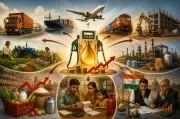
Three months after US-Iran war, India faces fuel price hikes impacting inflation, growth, and fiscal deficit. Experts analyze RBI's rate decision and economic resilience.

India's new middle class earns more than ever but faces rising rents, housing costs, job insecurity due to AI, and social media pressure, reshaping financial success.

A new survey reveals rising petrol prices are driving Indians away from personal vehicles, with 60% considering switching to public transport. The shift has major implications for urban mobility and policy.
Foreign portfolio investment flows into India are expected to remain subdued as the country loses its relative appeal compared to other emerging markets, according to a Kotak report.
Shared lists with real-time sync. No signup needed — just open and shop together.
Recommended
A Colliers report highlights India's emergence as a key Asia-Pacific growth hub for AI talent and energy security, driven by policy support and infrastructure investments.

CNG prices in Delhi increased by Rs 2 per kg, the fourth hike in under 15 days. Petrol and diesel also rose, with petrol crossing Rs 100 per litre. The hikes are due to global crude volatility and West Asia tensions.

Finance Minister Nirmala Sitharaman highlighted that imports of fuel, fertiliser, and gold are creating external challenges for India amid the West Asia conflict, urging a focus on the three 'Fs'.

Finance Minister Nirmala Sitharaman said the Indian economy remains robust amid West Asia conflict, but rising prices of fuel, fertiliser, and forex pose challenges. She highlighted calibrated policy responses and government support for MSMEs and exporter
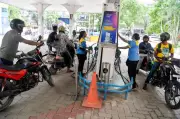
India must reduce its dependence on imported oil to achieve energy security. The article discusses strategies like boosting domestic production, adopting renewables, and enhancing energy efficiency.
Shared lists with real-time sync. No signup needed — just open and shop together.
Recommended
Uttar Pradesh's electricity demand has more than doubled over 15 years, reaching a record 31,824 MW in May 2026. Thermal power remains the backbone, with solar and hydro contributing. The BJP government accelerated procurement, with 62% of tie-ups in last

The RBI's intervention to defend the rupee may lead to reduced foreign reserves and inflationary pressures, posing risks to India's economic stability.
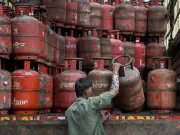
Petroleum ministry assured a parliamentary panel of 78 days of crude stock and no LPG shortage amid concerns over long queues at fuel stations. The panel also discussed the impact of the West Asia crisis on maritime trade and stranded ships.

Rising fuel prices in Delhi strain household budgets, forcing families to cut spending on essentials and adjust daily routines.
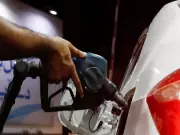
Petrol and diesel prices in Patna have been hiked for the fourth time in 12 days, pushing fuel rates to new highs and raising fears of cascading hikes in essential commodities and transport services.
Shared lists with real-time sync. No signup needed — just open and shop together.
Recommended
KSERC recommends dynamic electricity pricing for all domestic consumers in Kerala, potentially ending the benefit of swapping cheap solar power for costly night power.

Tripura government introduces a five-day work week for state offices, with Saturdays and Sundays as holidays, effective immediately to cut costs amid rising fuel prices.

Fuel prices have risen sharply across India, with petrol crossing Rs 100 in Guwahati. In two weeks since May 14, petrol and diesel prices increased by Rs 7.59 and Rs 7.85 per litre respectively.

A drop in Yamuna water level at Wazirabad during peak summer has disrupted operations at two Delhi Jal Board water treatment plants, affecting supply in several parts of the capital.

Karnataka state-run bus corporations face Rs 480 crore annual burden due to diesel price hikes. Officials hint at fare revision if trend continues. Cumulative liabilities exceed Rs 7,130 crore.
Shared lists with real-time sync. No signup needed — just open and shop together.
Recommended
The Indian government is exploring standard pack sizes for edible oils to prevent consumer confusion and ensure fair trade practices across the industry.
