Bangladesh PM Tarique Rahman Launches Military Overhaul, Recalls India Defense Adviser
In a significant move following his recent electoral victory, Prime Minister Tarique Rahman of Bangladesh has initiated a comprehensive military reset, marking a pivotal moment in the nation's defense and diplomatic landscape. This sweeping overhaul affects key positions within the Bangladesh Army, including operational command, intelligence leadership, and diplomatic postings, underscoring a strategic shift in governance and regional relations.
Major Changes in Military Leadership
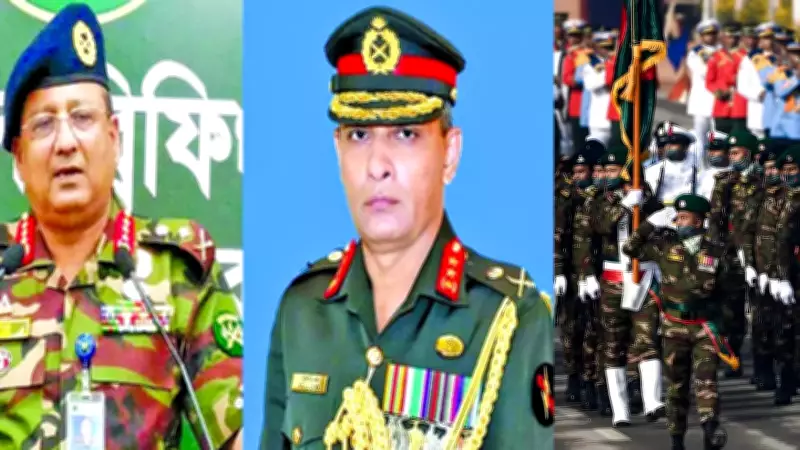
The reshuffle has led to the appointment of a new Chief of General Staff, a fresh chief for the Directorate General of Forces Intelligence (DGFI), and the reassignment of senior officers to ambassadorial roles. These changes are not merely routine; they reflect a deliberate effort to realign the military's structure and priorities under Rahman's administration. The promoted officer now commands a critical infantry division, highlighting the seriousness and depth of this transition, which aims to enhance operational efficiency and strategic oversight.
Recall of Defense Adviser from New Delhi
A standout aspect of this military reset is the recall of Bangladesh's defense adviser from New Delhi. This decision is particularly noteworthy given India's longstanding security interests in the region and the close bilateral ties between the two nations. The recall signals a potential recalibration of defense diplomacy, raising questions about the future trajectory of India-Bangladesh relations. For India, developments in Dhaka are always closely monitored, as they impact regional stability and cooperation on critical issues.

Implications for India-Bangladesh Relations
India and Bangladesh have a history of collaboration on various fronts, including border management, trade, and counter-terrorism efforts. As Bangladesh enters this new political phase under Prime Minister Rahman, the military reset will be scrutinized by South Block—India's foreign ministry—for clues about bilateral ties. Key areas of interest include:
- Security Cooperation: How the reshuffle affects joint efforts to combat terrorism and manage border security.
- Diplomatic Engagement: The impact of recalled advisers on defense dialogues and strategic partnerships.
- Regional Dynamics: Potential shifts in Bangladesh's alignment within South Asia, influencing India's broader foreign policy.
This military overhaul comes at a time when both nations are navigating complex geopolitical challenges, making it a critical development for regional observers. The recall of the defense adviser, in particular, may prompt India to reassess its engagement strategies with Dhaka, ensuring that mutual interests in stability and economic growth are upheld.
As Prime Minister Tarique Rahman consolidates power, this military reset underscores his commitment to reshaping Bangladesh's defense apparatus. The moves are likely to have lasting implications, not only for the country's internal security but also for its international partnerships, especially with neighboring India. Stakeholders across the region will be watching closely as these changes unfold, anticipating how they will influence the delicate balance of power and cooperation in South Asia.