India Issues Urgent Travel Advisories as Middle East Tensions Escalate Following Missile Strikes
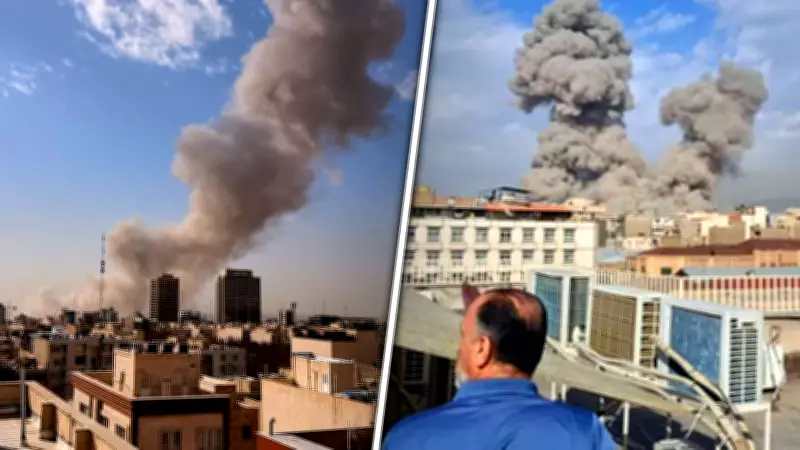
In a rapidly developing situation that has sent shockwaves across the globe, the Middle East has been plunged into a new flashpoint following missile strikes between Israel and Iran. The escalating conflict has prompted the Indian government to issue urgent advisories for its nationals residing in or traveling through the affected regions.
Government Advisories for Indian Citizens in High-Risk Areas
The Indian authorities have specifically targeted advisories for citizens in Israel, Jordan, and Iran, urging immediate caution and adherence to local security instructions. With thousands of Indian expatriates, students, and professionals living and working across West Asia, the government is taking proactive measures to ensure their safety.
Key recommendations from the advisory include:

- Remaining in or near protected spaces and shelters as designated by local authorities.
- Closely monitoring official communications and emergency alerts for real-time updates.
- Preparing for potential disruptions to transportation, communication, and essential services.
- Avoiding non-essential travel to conflict zones and maintaining a low profile.
Background of the Escalating Conflict
The latest round of hostilities began with Israel launching missile strikes against targets in Iran, a move that has significantly heightened regional tensions. This exchange has triggered emergency alerts across multiple countries in West Asia, contributing to growing global anxiety about a wider conflict.
The situation remains fluid and unpredictable, with diplomatic channels working overtime to prevent further escalation. International observers are particularly concerned about the potential for miscalculation that could draw neighboring nations into the fray.
India's Diplomatic and Monitoring Efforts
The Indian government has established a dedicated monitoring cell to track developments in real-time and coordinate response efforts. Diplomatic missions in the affected countries have been activated to provide consular assistance and support to Indian citizens in distress.
Officials emphasize that the safety of Indian nationals remains the highest priority, with contingency plans being reviewed and updated continuously as the situation evolves. The government is also coordinating with international partners and regional stakeholders to gather intelligence and assess risk levels.
Broader Implications for Regional Stability
This latest escalation comes at a time when the Middle East was already grappling with multiple security challenges. The missile exchanges between Israel and Iran represent a significant deterioration in an already tense regional security environment.
Analysts warn that prolonged hostilities could have far-reaching consequences for:
- Global energy markets and oil prices
- International shipping routes through critical waterways
- Regional economic stability and development projects
- Humanitarian conditions in conflict-affected areas
The Indian government's swift response in issuing travel advisories reflects both the seriousness of the situation and its commitment to citizen safety abroad. As developments continue to unfold, authorities urge all Indian nationals in the region to exercise maximum caution and maintain regular contact with diplomatic missions.