Russia Reportedly Arms Iran with US Military Intel, Escalating Middle East Tensions
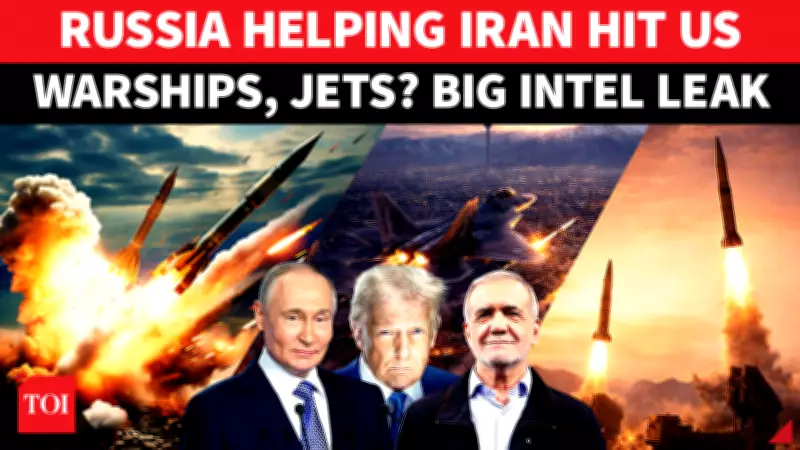
In a development that could significantly heighten geopolitical risks, Russia is reportedly providing Iran with detailed intelligence on the locations of U.S. military assets across the Middle East. According to a report by The Washington Post, U.S. officials have confirmed that Moscow has shared sensitive information, including data on American warships, aircraft, and radar systems. This intelligence sharing is believed to have commenced shortly after the latest conflict in the region escalated, raising alarms about a broader international dimension to the ongoing war.
Details of the Intelligence Sharing
The intelligence provided by Russia is said to enable Tehran to more effectively track and potentially target U.S. forces operating in the Middle East. Officials familiar with the matter described this as the first clear indication that another major U.S. rival may be indirectly assisting Iran during the current crisis. The sharing of such critical data not only complicates U.S. military operations but also poses a direct threat to regional stability.
Geopolitical Implications
This move by Russia introduces a new layer of complexity to the already volatile Middle East situation. By arming Iran with intelligence, Moscow is effectively deepening its involvement in the conflict, which could lead to:

- Increased risks of miscalculation or accidental engagements between U.S. and Iranian forces.
- Potential escalation into a wider geopolitical confrontation involving multiple global powers.
- Heightened tensions that may impact international trade and security dynamics in the region.
The timing of this intelligence sharing, coinciding with the escalation of hostilities, suggests a strategic alignment between Russia and Iran aimed at countering U.S. influence. This development underscores the growing alliances among nations opposing American interests, potentially reshaping the balance of power in the Middle East.
U.S. Response and Concerns
U.S. officials have expressed grave concerns over this intelligence collaboration, viewing it as a provocative act that could undermine efforts to de-escalate the conflict. The ability of Iran to access real-time data on U.S. military movements significantly enhances its operational capabilities, making the environment more dangerous for American troops and assets. This situation necessitates a reassessment of U.S. security strategies in the region to mitigate the heightened threats posed by such foreign support to adversarial forces.
As the crisis continues to unfold, the international community is closely monitoring these developments, with many fearing that this intelligence sharing could pave the way for more direct confrontations. The involvement of major powers like Russia adds a critical dimension to the conflict, emphasizing the need for diplomatic efforts to prevent further escalation and protect global peace.