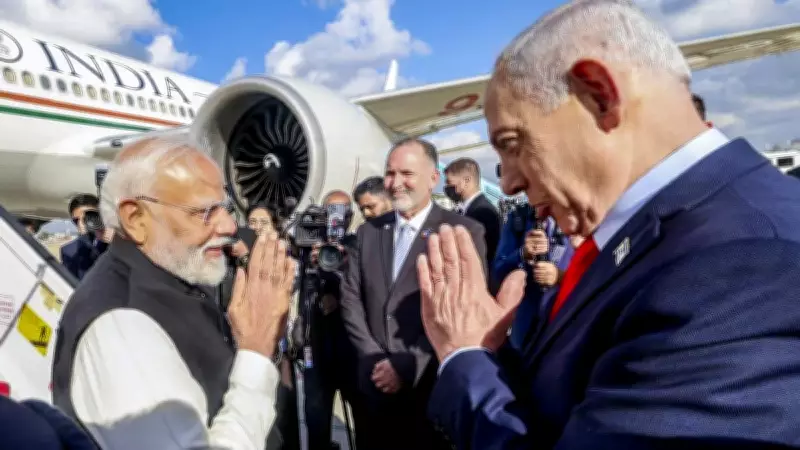
Congress Issues Stern Warning Over PM Modi's Israel Visit Amid Iran Tensions
The Indian National Congress has launched a sharp critique of Prime Minister Narendra Modi's recent diplomatic visit to Tel Aviv, cautioning the government about potential grave strategic consequences for India. This warning comes in the wake of a military assault on Iran by the United States and Israel, which has escalated tensions in the volatile West Asian region.
Khurshid Highlights India's Multifaceted Ties in West Asia
Senior Congress leader Salman Khurshid emphasized that the Modi administration must exercise extreme caution and be fully mindful of India's extensive and complex relationships in West Asia. He outlined several critical areas where India's interests are deeply intertwined, including:
- Civilisational ties rooted in historical and cultural connections.
- Economic partnerships that drive trade and investment flows.
- Energy security dependencies, particularly with oil-rich nations.
- Geopolitical alignments that influence regional stability.
- Diasporic links with large Indian communities across the area.
Khurshid stressed that these ties extend not only to Israel but also crucially to Iran, Palestine, and other nations in West Asia, requiring a balanced and nuanced foreign policy approach.

Context of US-Israel Assault on Iran and Regional Implications
The Congress party's warning is set against the backdrop of a recent military strike by the US and Israel targeting Iran, which has heightened fears of broader conflict and instability in West Asia. This development poses significant challenges for India, which maintains diplomatic and economic relations with multiple actors in the region. The party argues that PM Modi's visit to Israel at such a sensitive time could be perceived as taking sides, potentially jeopardizing India's longstanding neutrality and strategic interests.
By aligning too closely with Israel amid the assault, India risks alienating key partners like Iran, which is a major energy supplier, and undermining its position as a mediator in regional disputes. The Congress has called for a more cautious and inclusive foreign policy that prioritizes India's multifaceted engagements across West Asia to avoid diplomatic isolation or economic repercussions.
Broader Political and Strategic Ramifications for India
This critique from the Congress adds to the ongoing political discourse in India, highlighting the delicate balance required in foreign policy decisions. The party warns that failure to adequately consider the implications of the US-Israel assault on Iran could lead to:
- Strained relations with Iran, affecting energy imports and regional security cooperation.
- Complications in India's role in Palestinian issues, where it has historically supported peace efforts.
- Potential backlash from other West Asian nations, impacting diaspora welfare and economic ties.
- Long-term strategic setbacks in India's global positioning and influence.
As tensions simmer, the Congress urges the government to reassess its diplomatic maneuvers to safeguard India's national interests and maintain stability in its foreign engagements.