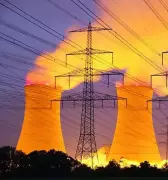
India Passes SHANTI Bill, Overhauls Nuclear Safety & Opens Sector
India's new SHANTI Bill transforms nuclear governance, embeds lifecycle safety in law, and allows private participation to meet clean energy targets by 2047. Read the full analysis.

India's new SHANTI Bill transforms nuclear governance, embeds lifecycle safety in law, and allows private participation to meet clean energy targets by 2047. Read the full analysis.

India's Parliament has passed the landmark SHANTI Atomic Energy Bill, 2025. PM Modi calls it a game-changer for technology and clean energy. Read the full details here.

AM Green partners with Japan's Mitsui & Co for strategic investment in the world's first integrated green aluminium platform, boosting India's $20B energy transition push. Read more.
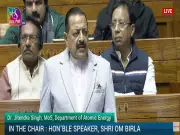
The Lok Sabha has passed the Nuclear Energy (Amendment) Bill, 2024, paving the way for private sector participation in India's nuclear energy sector to boost clean power generation. Read more.

IEA projects India's coal demand to rise 17% by 2030, but its share in electricity falls to 60%. Renewables growth and industrial demand reshape the energy landscape. Read the full analysis.
A new report reveals India's budget shows a gradual clean energy shift, but public finances remain heavily tied to fossil fuels. Experts urge faster transition.

India's natural gas consumption fell 8.6% in April-Oct FY26, casting doubt on the 2030 target of 15% energy share. Experts cite lack of power demand and cheaper alternatives.

West Bengal commits to 20% renewables by 2030. Minister Rabbani reveals plans for solar, biomass, and hybrid systems at Kolkata conclave. Explore the state's green energy roadmap.

China is making a massive $3.9 billion push in the global race for nuclear fusion energy, aiming for a 'sun on Earth'. Can this be the key to limitless, clean power? Explore the details.
A new IISD report reveals India's clean energy subsidies rose sharply to Rs 32,000 crore in FY24, narrowing the gap with fossil fuel support. Non-fossil capacity now exceeds 50%, but PSU spending remains skewed.
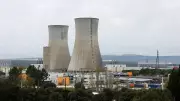
India plans major changes to its civil nuclear law to boost capacity to 100 GW, aiming for clean energy dominance. Explore the key amendments and their impact.
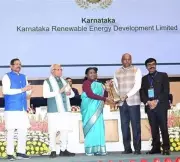
Karnataka clinches the National Energy Conservation Award 2025 as the best-performing state in energy efficiency, regaining its top spot after a close loss to Maharashtra in 2024. Read about the state's winning strategy.

Karnataka Renewable Energy Development Ltd (KREDL) has been honored with the National Energy Conservation Award 2025 by the Bureau of Energy Efficiency. Read about this prestigious recognition for sustainable efforts.

SCCL and Altmin to build a 30,000 TPA battery-grade lithium refinery in Telangana by 2027, boosting India's EV and clean energy ambitions. Read more.

India achieves its highest-ever annual clean energy capacity addition of 31.25 GW, led by solar power. Minister Pralhad Joshi unveils new initiatives for Odisha, highlighting the nation's pivotal role in the global renewable surge.

Russia guarantees fuel supply for Kudankulam's lifetime, ships first batch for Unit 3. Putin proposes deeper collaboration on SMRs and floating stations, boosting India's clean energy security.

Toyota urges India to incentivize ethanol-powered flex-fuel hybrids, arguing they are cleaner than EVs in a full lifecycle analysis. The push is backed by the sugar industry.

Commercial & Industrial developers in India are projected to supply up to 80 GW of renewable energy by 2030, a key driver for the nation's green goals. Read more.

Europe's aggressive shift to renewables slashed emissions by 30% but caused soaring electricity prices, crippling industry and fracturing political consensus. Key lessons for India's energy future.

India must navigate critical trade-offs between green transition speed, China dependence, and AI energy demands. Expert analysis on reshaping energy governance for 2025 challenges.

New Development Bank seminar explores innovative financing solutions for India's sustainable energy transition. Key stakeholders discuss challenges and opportunities in renewable energy funding.

Uttar Pradesh hits 1 GW solar capacity under PM Suryaghar Muft Bijlee Yojana, benefiting 2.9 lakh households with bill savings and creating 50,000 jobs. Discover how the state is leading India's green energy revolution.

China's rapid electric truck adoption is transforming global energy markets. Discover how this shift impacts diesel demand and what it means for India's transport future. Read more!

India's hydropower sector shows remarkable growth over the past decade, with a strategic shift toward pumped storage projects to support renewable energy integration and grid stability. Explore the future of clean energy.

Gautam Gambhir discusses India's simultaneous transition in batting and spin bowling departments. Is he the right coach for this challenging phase? Read analysis.
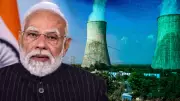
PM Modi announces private sector participation in India's nuclear energy to boost advanced reactor development and clean energy expansion. Read more about this historic move.

India's solar energy sector shows impressive growth but faces land acquisition, grid integration, and policy hurdles. Can the nation maintain its renewable momentum?

Rajasthan achieves India's most competitive battery storage tariff of Rs 2.85 lakh per MW monthly in 2000 MWh BESS auction, marking breakthrough in energy storage viability.

India plans historic amendments to atomic energy laws, allowing private sector participation to achieve 100 GW nuclear power capacity by 2047. Learn how this transforms energy security.

US energy giant Fluence Energy is planning to establish a battery energy storage system manufacturing base in India, aiming to transform the country into a key export hub for Asia Pacific markets.