

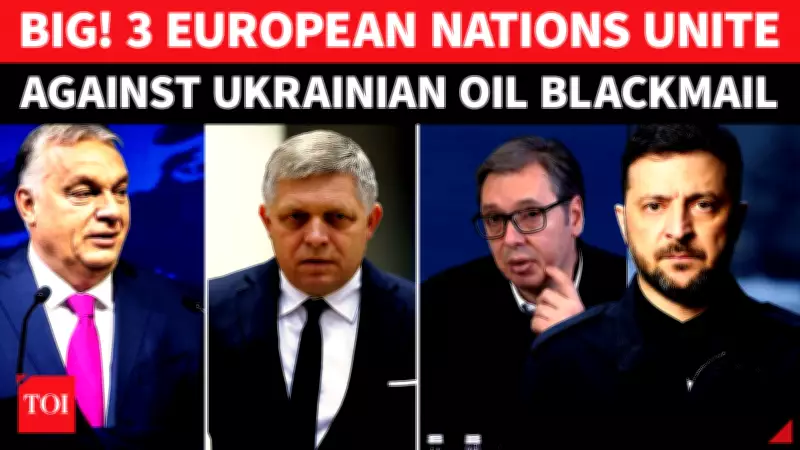
European Trio Forges Energy Alliance Amid Ukraine Pipeline Crisis
A significant energy dispute is intensifying divisions across Europe as Hungary, Slovakia, and Serbia announce plans to coordinate their oil supplies in response to escalating tensions with Ukraine. This development poses a new challenge for Ukrainian President Volodymyr Zelensky, who is already grappling with the broader conflict with Russia.
Dispute Centers on Key Druzhba Pipeline
The core of the conflict revolves around the Druzhba pipeline, a crucial artery for transporting Russian crude oil to Central Europe. Shipments through this pipeline have been severely disrupted, with reports of damage and ongoing operational issues linked to the war in Ukraine. These disruptions have created energy security concerns for nations reliant on this route.
Hungary Leads Coordination Efforts
Hungary has taken a leading role in this initiative, advocating for closer cooperation with Slovakia and Serbia. The collaboration includes discussions on new pipeline infrastructure and supply strategies. Hungarian officials have framed this move as a necessary response to what they describe as energy pressure from Kyiv, aiming to safeguard their national interests against potential supply cuts or political leverage.

This alignment marks a notable shift in regional dynamics, as these three nations seek to reduce their vulnerability to energy disruptions. The coordination could involve:
- Shared storage and distribution mechanisms for oil reserves.
- Joint investments in alternative pipeline routes to bypass troubled areas.
- Unified negotiations with suppliers to secure stable oil flows.
Broader Implications for European Unity
The move by Hungary, Slovakia, and Serbia highlights the deepening fractures within Europe regarding energy policy and relations with Ukraine. While many European Union members have supported sanctions against Russia and aid to Ukraine, this trio's actions suggest a divergence, prioritizing immediate energy needs over broader geopolitical solidarity.
This development complicates the already tense situation in Eastern Europe, adding an economic dimension to the military and diplomatic struggles. It underscores how energy resources have become a pivotal tool in the ongoing conflict, influencing alliances and strategies beyond the battlefield.
As the war continues, the coordination among these nations could set a precedent for other energy-dependent countries in the region, potentially leading to further realignments. The situation remains fluid, with implications for European energy security and the broader geopolitical landscape.

